Search This Blog

Monday, August 1, 2011

MACULAR DEGENERATION

What is AMD? Age-related macular degeneration(AMD) is a chronic condition that causes central vision loss. It affects millions of Americans. In fact, it is a leading cause of blindness in people 60 and older. The older you are, the greater your chance of being affected. That's why it is important to learn the symptoms of AMD now, so if you ever notice anything wrong, you can see an ophthalmologist right away. Early detection is key to avoiding vision loss.

AMD symptoms include blurriness, wavy lines, or a blind spot. You may also notice visual distortions such as: Straight lines or faces appearing wavy, doorways seeming crooked, objects appearing smaller or farther away.

If you notice any of these symptoms, you should see an ophthalmologist as soon as possible. If you are diagnosed with wet AMD, it is important to see a Retina Specialist for the most appropriate care.

AMD occurs when the macula - the center portion of the retina that is important for reading and color vision - becomes damaged. AMD is a single disease, but it can take on 2 different forms: dry and wet. Wet AMD is the more serious form, with more than 200,000 people in the United States diagnosed every year. Without treatment, patients can lose their central vision over time, leaving only peripheral, or side, vision. The symptoms can occur suddenly or gradually over time. Early detection and treatment can help you avoid severe vision loss.


source: http://www.amdawareness.org/

Friday, July 29, 2011


FACTS: Warning Signs of Alzheimer's


Alzheimer's disease is a degenerative disease of the brain. Its causes are unknown, and there currently is no cure. To help you know what warning signs to look for, the Alzheimer's Association has developed a checklist of common symptoms of Alzheimer's disease(some of the symptoms may apply to other dementing illnesses). Review the following list and make a check mark next to symptoms that seem to be a matter of concern to you. If, when you've completed the list, you have several check marks, you should make an appointment with a physician for a complete examination of the individual with the symptoms.


  1. RECENT MEMORY LOSS AFFECTS JOB SKILLS


  2. DIFFICULTY PERFORMING FAMILIAR TASKS


  3. PROBLEMS WITH LANGUAGE


  4. DISORIENTATION OF TIME AND PLACE


  5. POOR OR DECREASED JUDGMENT


  6. PROBLEMS WITH ABSTRACT THINKING


  7. MISPLACING THINGS


  8. CHANGES IN MOOD OR BEHAVIOR


  9. CHANGES IN PERSONALITY


  10. LOSS OF INITIATIVE


For more imformation please contact the Alzheimer's Association helpline at 248-351-0280, 800-337-3827, TTY 877-204-6924

Wednesday, July 27, 2011


STAYING HEALTHY IN SUPER HOT WEATHER


A record-breaking heat wave is sweeping the United States, with some temperatures reaching into the triple digits. Not only are the high temperatures uncomfortable, they can cause serious complications for your heart. Here are some tips on staying heart-healthy in this heat:


1. Watch the clock: Try to avoid being outside during the hottest part of the day - generally noon to around 3 or 4 p.m.


2. Slow down: Strenuous activities, such as exercise, should be reduced or rescheduled to cooler times, such as early morning or late evening.


3. Dress for the weather: wear lightweight, light-colored clothing. It reflects heat and sunlight, and helps your body maintain normal temperatures.


4. Drink plenty of water and other fluids: You can become dehydrated long before you actually become thirsty and your body needs water to keep cool.


5. Avoid alcoholic beverages: They may speed up dehydration and make your heart work harder.


6. Spend more time in air-conditioning: It significantly reduces danger from the heat.


7. Limit your time in the sun and wear sunscreen: Not only does the sun heat your body, but sunburn makes it that much harder for the body to dissipate heat.


8. Health conditions or advanced age may put you at risk: Take special precautions if you have heart disease, high cholesterol, history of stroke, diabetes, are overweight or elderly.


Your body is designed for heat and works to maintain your normal body temperature of 98 degrees, however, during hot weather, especially the hot and humid days, your heart can face some pretty serious strain.


Friday, July 22, 2011

The Flu Vaccine is On its Way


No, summer is not over yet. But preparations for the next flu season, which typically begins in October, have already started.


The FDA said today that it has approved the formulation for the 2011-12 vaccine. The new vaccine looks a lot like it did last year - it will protect against the type of influenza A virus that caused the H1N1/swine flu pandemic, another type of influenza A and a type of influenza B virus. But you can't skip the shot even if you had it last year, since the immunity it confers isn't particularly long-lived.


The CDC has recommended since last year that everyone six months and older be vaccinated.


Six manufacturers are licensed to produce and distribute vaccines in the U.S. this year, the FDA says. Different brands and types of vaccines are approved for different age groups.
source: http://www.blogs.wsj.com/

Wednesday, July 20, 2011

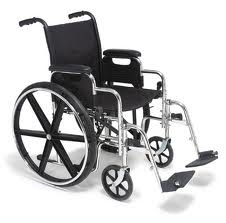
HOW TO CHOOSE A SUITABLE WHEELCHAIR


Today's wheelchair market offers a wide variety of choices and selecting a wheelchair that is most suitable for you can be a daunting task. As wheelchair technology evolved over the years, so has user demands. Users have become more active, requiring better materials and additional features for improved stability and maneuverability for other activities.


Most consumers are very picky when it comes to getting a car. When choosing a suitable car, price, color, model, interior , and performance are among some of the many things that we would look into. There are many similar things to consider when one is getting a wheelchair.


The first factor to consider is the price. Your budget will determine what type of wheelchair you can get. The difference would most likely be whether you could get a manual or electric wheelchair. If budget allows, an electric wheelchair would be preferred since it is easier for wheelchair bound people to move around without tiring them easily. The electric wheelchair is especially suitable for quadriplegics and people with weak torsos and arms. Though cumbersome due to its larger size, an electric wheelchair can be fitted and equipped with extended headrests, harnesses and other add ons to provide greater support and comfort. Some electric wheelchairs even recling such that a more seriously handicapped person can lie resting during the day. If budget does not allow such, a manual wheelchair would then be the choice. Using a manual wheelchair is a good form of exercise, and a manual wheelchair has higher mobility and agility as compared to an electric wheelchair.


Another important consideration is the portability of the wheelchair. Wheelchair users can now make longer trips or visits, made possible by new technology for wheelchairs. Wheelchairs that are transported in cars are becoming more common, especially manual wheelchairs that are more lightweight and portable. They can be folded, and some parts can even be dismantled, like the wheels, footrest and armrest. These separate parts can then be placed in the car.


Next, the measurements of the wheelchair and type of cushions are also vital. Discomfort, often progressing to pain, may lead to an inability to function throughout the day and eventually abandonment of the wheelchair. For maximum comfort, your body in the sitting position would have to be measured so as to have the most suitable and comfortable measurement for the armrest, footrest and backrest. Also select the right cushion to avoid pressure sores as they can be debilitating and life threatening if complications arise. Note that while a gel cushion is very comfortable, the gel could freeze if it is left in the care or stored imappropriately in cold weather. Where the cushion is concerned, you can always ask you doctor for the recommendation of your needs.


Selecting the most suitable wheelchair is very important as most people that require the aid of a wheelchair spend most of their time(average about 15 hours) while they are awake seated in their wheelchair. A fitting and comfortable wheelchair is essential to provide the necessary support and comfort. If not, a wheelchair bound person may suffer from other health problems, apart from a terrible and costly investment. If you need more information, please consult your doctor for more advice.


Monday, July 18, 2011


TIPS FOR AVOIDING LYME DISEASE


Whether it is through camping, enjoying local parks or even walking in the neighborheood, residents can acquire a black-legged tick that can lead to Lyme disease. Lyme disease is hard to diagnose because there may be no symptoms or symptoms may mimic other diseases. In only about 65% of confirmed cases did patients notice a tick before they became ill. Once a person has been outside, he or she should thoroughly check for ticks. A whole body inspection every three to four hours is safest when in grassy or wooded areas. Look along the hairline, in the hair and ears, and where clothing fits snugly.


Tips to avoid contact with a tick include:


1. Wearing light-colored, long sleeved shirts and pants that you can tuck into your socks when working or walking in areas likely to have ticks.


2. Spraying arms and legs with an insect repellent containing DEET or picaridin(unless you are pregnant).


3. Removing leaves, brush and tall grass around houses, pathways and gardens.


4. Washing and drying clothes as soon as possible, preferably at a hot temperature once you come inside.


If you do find a tick on your skin, the department recommends that you remove the tick right away - but do not touch it with bare hands. Use tweezers to grip the tick behind its head and as close to the skin as you can. Gently pull it off. If tweezers are not available, use your fingers wearing gloves or a tissue. Health department officials say once the tick is removed, hands should be washed and the tick bite area should be treated with an antiseptic - such as iodine scrub, rubbing alcohol, or soap and water. The health department also recommends marking a calendar on the date the tick was found and watch for symptoms for at least a month. After a bite, a "bull's eye rash" of red circles can appear. Other early symptoms may include fever, joint and muscle pains, headache or feeling tired. Contact a physician if any symptoms appear. If left untreated, the infection can lead to serious illnesses of the heart, joints and nervous symstem.


Friday, July 15, 2011


DOES MY PARENT NEED A NURSE?


Many people begin the search for their aging parent's home health care needs by looking for a nurse. A Registered Nurse(RN) does make home visits to assess the patient's condition, monitor their vital signs(blood pressure, pulse), perform wound care and review medications. This "skilled" home health care visit is covered 100% by Medicare.


This may or may not be what your loved one needs. Does your mother or father need medical attention at home? Or does your elderly parent need someone who will stay at least a few hours a day, a few times a week to help them with bathing, dressing, walking safely or other personal care? Does your aging relative need help managing daily houshold tasks such as: cooking, laundry, shopping, light housekeeping or provide transportation to appointments and medication prompts?


They may in fact need both. It is advisable to choose a company which can monitor and manage your mom or dad's needs as a whole. This leads to better overall care and recuperation. Harbor Health Home Care can refer a caregiver to your parent's home. For intermittent medical home -health supervision, Harbor Health Home Care can provide the skills of a Registered Nurse, Physical, Occupational or Speech Therapist, and/or a Medical Social Worker.


An intake coordinator will speak with you to clarify the type of help your mother or father needs and other benefits they may be entitled to. Please call with any questions: 810-765-7144 or toll free 888-418-2273.